
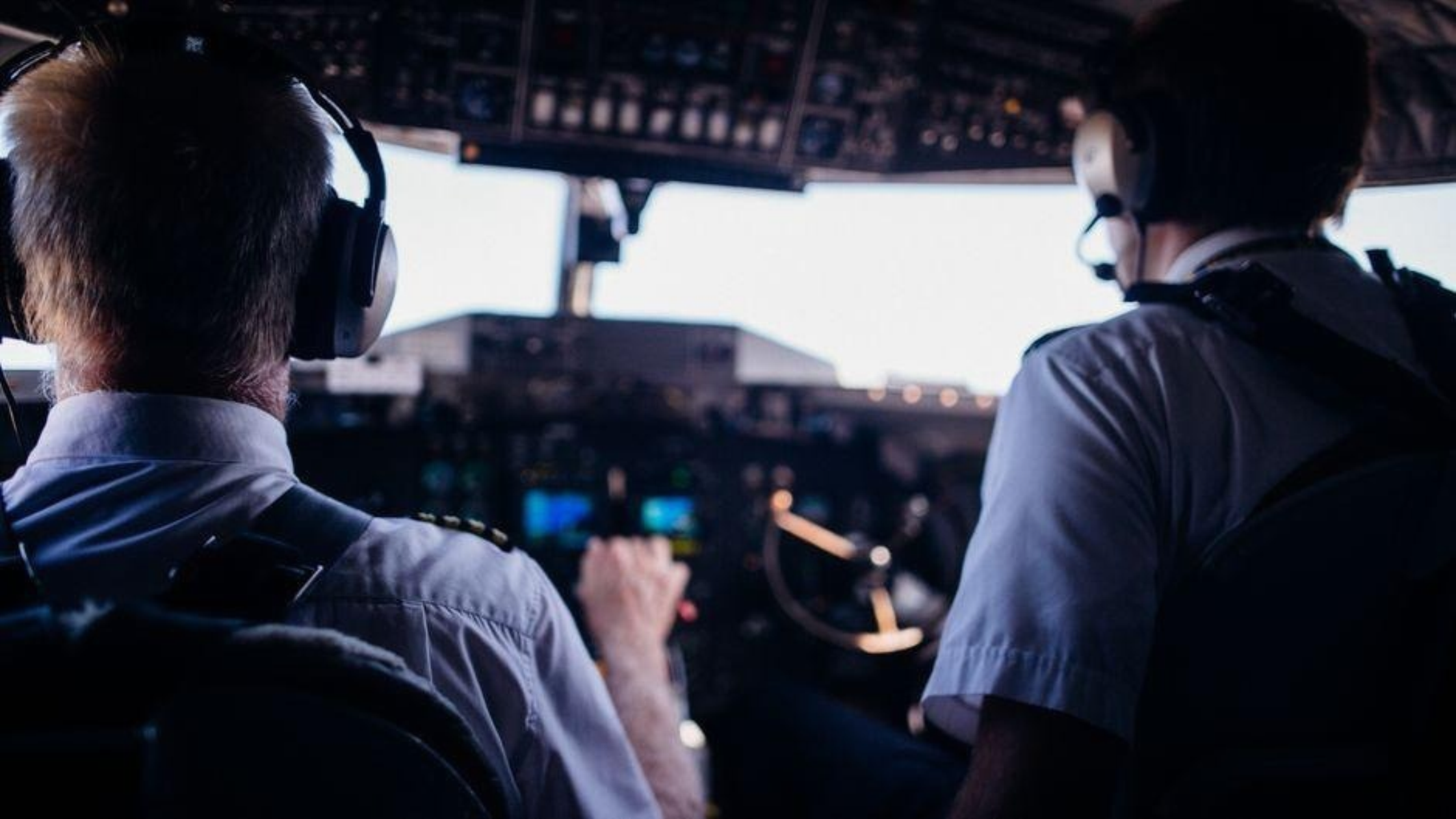
29 Sep What Pilots Actually Do on a Typical Day at a Flight School
A typical day for a student pilot revolves around three blocks: preparation before the flight, time in the air or in the simulator, and a debrief afterward that turns the flight into a lesson you actually retain. Add in ground study and weather checks, and a single “flight day” at a busy training school can easily fill four or five hours even though the flight itself might last only an hour. If you’re weighing whether flight training fits around a job, school, or family, understanding what actually happens on a training day matters more than knowing the total hour requirements.
This isn’t the same question as how long the whole program takes or how many hours you’ll log before a checkride. It’s about the shape of one day, from the moment you check the weather at home to the moment you close out your logbook. Here’s what that day tends to look like, and how it changes as you move from your first lessons toward a certificate.
What does a typical flight training day actually involve?
A typical training day breaks into four phases: a pre-lesson briefing with your instructor, a walkaround and preflight inspection of the aircraft, the flight or simulator session itself, and a postflight debrief. Most students spend as much total time on the ground around a lesson as they do flying it.
The briefing usually happens 20 to 30 minutes before you touch the airplane. You and your instructor go over the maneuvers or procedures planned for that flight, check current weather and NOTAMs, and confirm the aircraft is airworthy and available. Then comes the walkaround, a hands-on inspection of the airframe, control surfaces, fuel, and oil that every pilot does before every flight, student or airline captain alike. It’s methodical and unglamorous, and it’s also where a lot of early training habits get built.
The flight itself might be 1 to 1.5 hours in the early stages, focused on a handful of specific skills rather than a long cross-country. As training progresses, flights get longer and more complex, and simulator sessions get mixed in for procedures that are safer or cheaper to practice on the ground.
How much of the day is spent on the ground versus in the air?
Ground time usually outweighs air time, especially early on. A single hour of flying often comes with 30 to 45 minutes of briefing, a comparable amount of debrief, and additional hours of independent study for the FAA written test and oral exam prep.
This surprises people who picture flight training as mostly flying. In practice, the debrief is where a lot of the actual learning happens. Your instructor will walk back through the flight, point out what worked, and assign specific things to review before the next lesson: a maneuver to re-read in the handbook, a chart to study, a procedure to chair-fly. Students who treat the debrief as optional tend to plateau, while students who take detailed notes and follow up on assigned study tend to move through stages more efficiently.
Ground school, whether it’s self-paced online modules or in-person classroom time, runs in parallel with flight lessons rather than before or after them. Most schools expect you to be studying for your written knowledge test from the first weeks of training, not cramming it in right before your checkride.
How does the daily routine change from a private pilot student to a commercial track?
Early private pilot days are short and skill-specific: one flight, one or two maneuvers, a debrief. As you progress toward commercial and instrument training, days get longer and more varied, often including simulator blocks, longer cross-country flights, and more independent flight planning before you ever get to the aircraft.
A private pilot student’s day might look like this: check weather, drive to the airport, brief for 20 minutes, fly for an hour practicing takeoffs and landings, debrief for 15 minutes, go home. An instrument student’s day looks different: significant flight planning time working through an approach plate and route, a longer sim or flight session, and a debrief that covers procedural precision rather than stick-and-rudder feel. Students working toward building hours for the airlines add in cross-country planning, fuel stops, and coordination with other pilots or instructors sharing the aircraft.
The common thread across every stage is that the day is built around repetition with feedback. You fly, you get specific correction, you study the gap, you fly again. That loop, more than the total hours logged, is what actually produces a competent pilot.
What can slow down or change a training day?
Weather, aircraft availability, and instructor scheduling are the three most common reasons a planned training day gets shortened, moved, or cancelled outright. A well-run flight school builds flexibility into its scheduling for exactly this reason.
If weather closes in, a flight lesson might convert to a ground lesson or simulator session instead of being cancelled entirely, which keeps the day productive even without airtime. Maintenance issues with an aircraft can mean a delayed start or a swap to a different tail number. None of this is unusual, and a good program treats it as normal rather than a crisis. What matters for your own planning is building in some slack rather than expecting every scheduled day to go exactly as planned.
How can you make the most of a training day?
The most effective students prepare before they arrive, stay engaged during the debrief, and follow through on assigned study before the next lesson. Showing up having already reviewed the day’s maneuvers in the handbook can shorten the number of lessons needed to master them.
Practical habits that pay off: read the lesson plan the night before so the briefing reinforces rather than introduces the material, keep a dedicated logbook or notes app for debrief takeaways, and block real study time on non-flying days instead of letting it slide. Training days compound. A day where you show up prepared and leave with clear next steps is worth more than a day where you simply logged an hour in the air.
Want to see how a training day fits into the bigger picture of earning your certificate? Take a look at our flight training timeline for how these days add up over the course of a program. If the pace of daily training starts to feel like a lot, our guide on spotting flight training burnout early covers how to keep your momentum without wearing yourself out. And since ground study is such a big part of each day, our breakdown of study strategies for the FAA written knowledge test can help you use that time well. If you have questions about what a training day would look like for your schedule, reach out to us and we’ll walk you through it.
Frequently Asked Questions
How many hours a day do student pilots typically train?
Most student pilots fly one lesson per training day, usually 1 to 1.5 hours in the aircraft, plus 30 to 60 minutes of briefing and debrief on either side. Add independent study time and a full training day often runs 3 to 4 hours even though flight time is shorter.
Do student pilots fly every day during training?
It depends on the schedule and pace chosen. Part-time students might fly two or three times a week around work or school, while students in accelerated or full-time programs may fly close to daily, weather and aircraft availability permitting.
What happens during a preflight briefing before a lesson?
The briefing covers the maneuvers or procedures planned for the flight, current weather and NOTAMs, and any questions from the previous lesson. It typically runs 20 to 30 minutes and sets the goals for that specific flight.
Is ground school done on the same day as flight lessons?
Most schools run ground school in parallel with flight training rather than as a separate phase. Students study written test material and procedures on non-flying days and between lessons throughout the whole program.
What happens to a training day if the weather is too poor to fly?
A cancelled flight often converts into a ground lesson, simulator session, or extended study time with an instructor rather than being lost entirely. This keeps the training day useful even when the aircraft can’t fly.
No Comments