
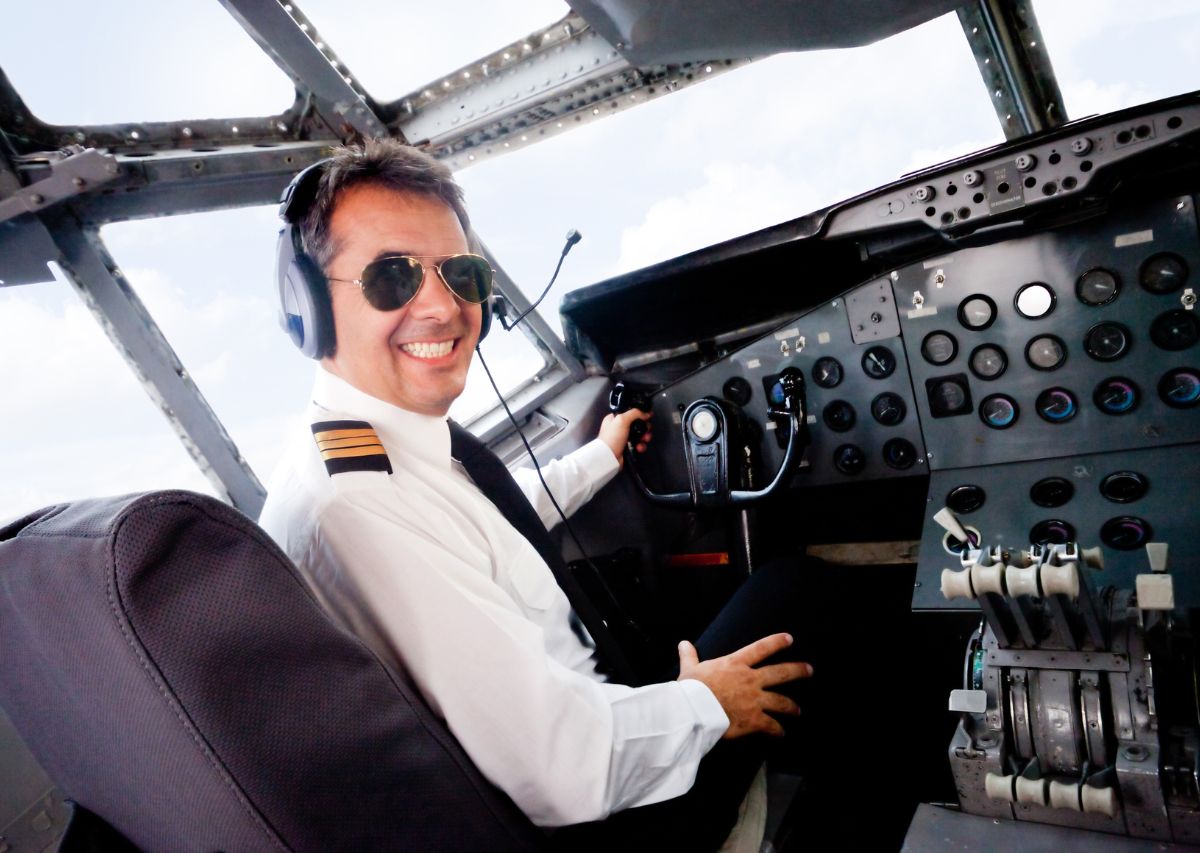
27 Jul Recreational Flying vs. a Professional Pilot Career: Choosing Your Path
Deciding between recreational flying vs. a professional pilot career is one of the most important crossroads an aviation enthusiast will face. Whether you dream of soaring above the clouds on weekends or logging thousands of hours in the cockpit as your livelihood, the path you choose will shape your training timeline, financial investment, and long-term relationship with the sky. At Pray Aviation, we work with students at every stage of this decision — and we’ve seen firsthand how the right guidance early on makes all the difference.
What Is Recreational Flying?
Recreational flying — sometimes called general aviation flying — is the pursuit of aviation as a hobby or personal passion rather than a profession. Pilots in this category typically hold a Private Pilot Certificate (PPL) or, in some cases, a Sport Pilot Certificate, which allows them to fly single-engine aircraft for personal travel, sightseeing, or simply the joy of flight.
Key Characteristics of the Recreational Path
- Fewer required flight hours: A Private Pilot Certificate requires a minimum of 40 flight hours under FAA regulations, though most students complete training in 60–70 hours.
- Lower overall cost: Without the need for advanced ratings, the total investment is significantly smaller compared to a professional track.
- Flexible schedule: You train at your own pace, around your job, family, and other commitments.
- No medical certificate pressure: While a Third-Class Medical is typically required for a PPL, requirements are generally less demanding than for commercial operations.
- Freedom of purpose: You fly because you love it — weekend getaways, fly-ins, and personal cross-countries are all on the table.
Recreational flying is a deeply rewarding pursuit in its own right. Many pilots find that the Private Pilot Certificate opens a world of adventure without the pressure of flying as a job. If your primary motivation is the love of flight itself, this path offers tremendous fulfillment.
What Does a Professional Pilot Career Involve?
A professional pilot career means flying as your occupation — whether as a commercial airline pilot, corporate/charter pilot, flight instructor, air ambulance pilot, or in agricultural or cargo operations. This path demands a significantly higher level of training, certification, and commitment.
Certifications Required for Professional Flying
- Private Pilot Certificate (PPL) — the foundation every pilot builds on.
- Instrument Rating (IR) — required for flying in low-visibility and instrument meteorological conditions (IMC).
- Commercial Pilot Certificate (CPL) — minimum 250 flight hours; allows you to be compensated for flying.
- Multi-Engine Rating — essential for most commercial operations and airline positions.
- Airline Transport Pilot Certificate (ATP) — required to serve as pilot-in-command of an airline; demands 1,500 total flight hours (or reduced hours under qualifying academic programs).
- Certified Flight Instructor (CFI/CFII) — many aspiring airline pilots build hours by instructing, making this a practical and professionally rewarding step.
Time and Financial Investment
Pursuing a professional pilot career is a multi-year commitment. From zero experience to an ATP certificate, the journey can take anywhere from three to five years depending on your schedule, financing, and program type. Financially, the investment is substantial — though it is important to note that airline and corporate pilot salaries have risen considerably in recent years, and many airlines now offer tuition assistance and flow-through programs to qualified candidates.
Recreational vs. Professional: A Side-by-Side Comparison
Understanding the practical differences between these two paths helps you make an informed decision that aligns with your goals, lifestyle, and resources.
- Goal: Personal enjoyment vs. career and income generation
- Primary Certificate: Private Pilot Certificate vs. Commercial/ATP Certificate
- Minimum Flight Hours (to goal): ~40–70 hours vs. 250–1,500+ hours
- Training Timeline: 6–18 months vs. 3–5+ years
- Medical Requirements: Third-Class Medical vs. First-Class Medical (required for ATP)
- Ongoing Requirements: Biennial Flight Review vs. Recurrent training, proficiency checks, simulator sessions
- Income Potential: None (hobby) vs. Competitive salary with career progression
Neither path is inherently superior — the best choice depends entirely on what you want aviation to mean in your life.
How to Know Which Path Is Right for You
Many students come to flight school without a clear answer to this question, and that is perfectly normal. Here are some honest questions to help guide your thinking:
Ask Yourself These Questions
- Do I want aviation to be my primary income source? If financial security through flying is a goal, the professional route is worth the investment. If you have an established career you enjoy, recreational flying may be the perfect complement to your life.
- How much time can I dedicate to training? A professional track requires sustained focus over years. Recreational training can fit into a much more flexible schedule.
- What is my tolerance for medical certification requirements? First-Class Medical standards for airline pilots are more stringent and must be maintained throughout your career. Certain health conditions may be disqualifying for professional flying while still permitting recreational flight.
- Am I passionate enough about flying to do it every single day? Many pilots love the idea of flying professionally but find that making a passion into a job changes the relationship. Others find deep satisfaction in a flying career precisely because it keeps them connected to something they love.
- What does my financial picture look like? Professional training requires a significant upfront investment. Financing options, scholarships, and aviation academies can help — but it’s a factor that deserves honest consideration.
Starting Out: The Good News for Both Paths
Here is what makes the choice less daunting than it might seem: the first step is the same for both paths. Whether you ultimately fly recreationally or pursue a professional career, every pilot begins with the Private Pilot Certificate. This means you do not need to commit fully to one direction before you begin training.
Many students start flight training with recreational goals in mind and later discover a passion — and aptitude — for a professional career. Others begin with airline ambitions and eventually decide they prefer flying as a personal pursuit. Beginning your training gives you experience, perspective, and real insight into which path feels right.
“The best time to start flying is now. The best path forward becomes much clearer once you’re in the air.”
At Pray Aviation, our instructors are experienced in helping students identify their goals and build a training plan that fits their vision — whether that’s a weekend cross-country license or the first step toward an airline career. The most important thing is to get started with proper guidance so you’re not spending time or money on training that doesn’t align with your goals.
Making the Most of Either Path
Regardless of which direction you choose, a few principles apply universally to success in aviation:
- Fly consistently. Skills degrade quickly when you aren’t flying regularly. Whether recreational or professional, aim to fly as often as possible during training and beyond.
- Choose quality instruction. The foundation you build in your early training shapes your habits and confidence for years. A great instructor is the single most important variable in your success as a pilot.
- Engage with the aviation community. Fly-ins, EAA chapters, online forums, and mentorship from experienced pilots are invaluable resources for both hobbyists and aspiring professionals.
- Stay current on regulations and best practices. Aviation is a dynamic field. Even recreational pilots benefit from staying informed about airspace changes, new technology, and evolving safety practices.
- Never stop learning. The best pilots — at every level — maintain a student mindset throughout their flying lives.
Your aviation journey is uniquely yours. Whether you’re chasing the freedom of a Sunday afternoon flight over the countryside or the discipline of a professional cockpit career, the sky is a place of extraordinary possibility. Pray Aviation is here to help you navigate every step of the journey — from your very first discovery flight to advanced ratings and beyond.
Frequently Asked Questions
Can I start as a recreational pilot and later pursue a professional career?
Absolutely. Many professional pilots began with recreational flying goals. Your Private Pilot Certificate counts toward the total flight hours required for commercial and ATP certificates, so no training time is wasted. Starting recreationally is a great way to confirm your passion before committing to the full professional track.
How many flight hours do I need to become a recreational (private) pilot?
Under FAA regulations, a Private Pilot Certificate requires a minimum of 40 flight hours, including at least 20 hours of flight training with an instructor and 10 hours of solo flight. In practice, most students complete training in approximately 60–70 hours, depending on frequency of training and individual aptitude.
What is the difference between a Sport Pilot and a Private Pilot Certificate?
A Sport Pilot Certificate has fewer requirements — as few as 20 flight hours — but comes with significant limitations: you can only fly light-sport aircraft (LSA), only during daytime VFR conditions, and not at altitudes above 10,000 feet MSL. A Private Pilot Certificate takes longer and costs more but opens up a much wider range of aircraft, conditions, and privileges.
Do I need a First-Class Medical to fly recreationally?
No. Recreational and private pilots typically need a Third-Class Medical Certificate, which has less stringent health standards than the First-Class Medical required for Airline Transport Pilots. Under the BasicMed program, some private pilots can fly without a traditional FAA medical certificate at all, subject to certain limitations. Always consult an Aviation Medical Examiner (AME) for guidance specific to your situation.
How long does it take to become a professional airline pilot from zero experience?
The timeline varies, but most pilots going from zero flight experience to the 1,500-hour ATP minimum (required for airline first officers) spend roughly three to five years in training and building hours. Completing training at an accredited four-year aviation university may allow for a reduced 1,000-hour ATP minimum under FAA rules. Flying as a Certified Flight Instructor (CFI) is one of the most common ways to build hours efficiently while earning income.
No Comments