
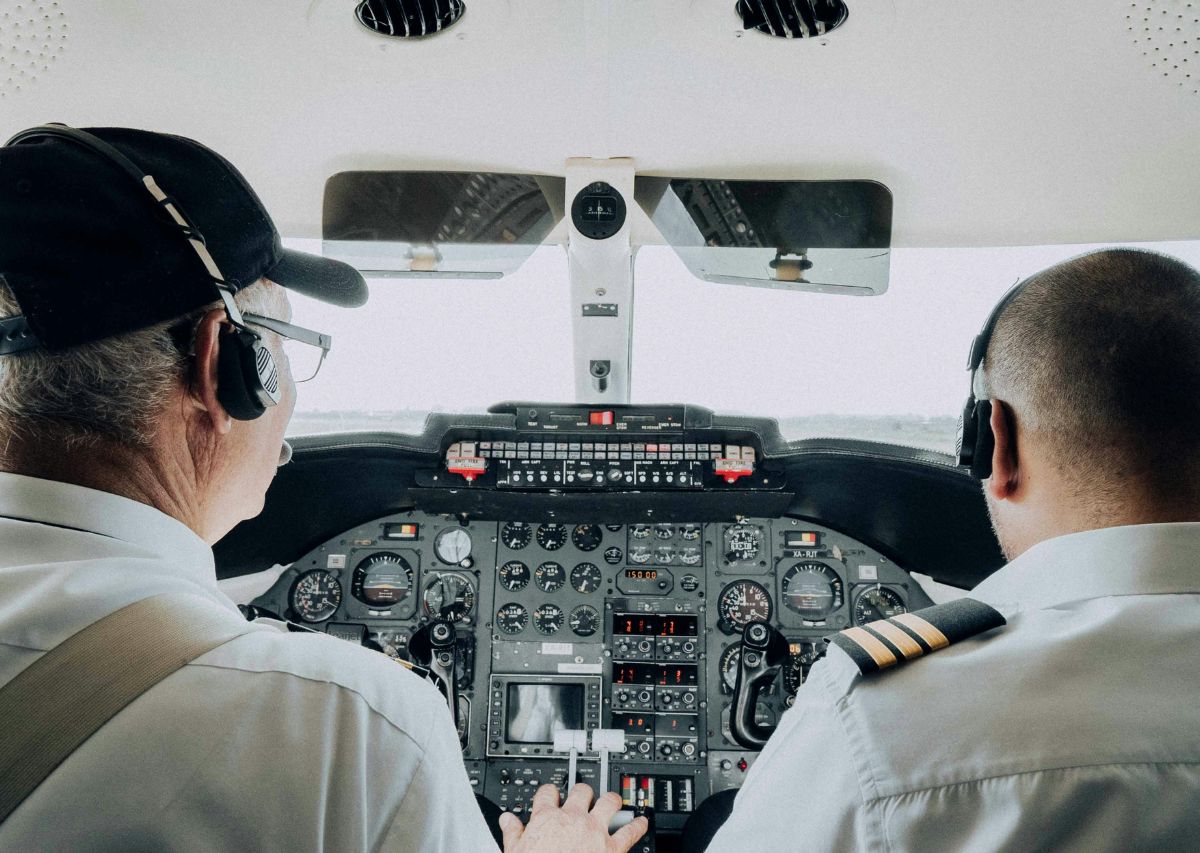
15 May Types of Pilot Jobs: From Commercial Airlines to Corporate Jets
Embarking on a career path in professional aviation opens the door to an incredible array of career opportunities across various global industries. When aspiring aviators begin their initial flight training, they frequently wonder about the specific types of pilot jobs that align with their personal lifestyle goals and financial aspirations. The modern aviation landscape is vast, spanning from high-profile major commercial airlines to specialized agricultural applications and critical emergency medical evacuation flights. Identifying these distinct aviation sectors allows you to tailor your pilot training to meet specific market demands.
Propel your professional aviation future by calling +1 850-983-9363 to schedule a custom career planning consultation with our flight academy.
Navigating the diverse entry requirements for these unique avionic fields demands a clear strategic plan and structured flight hour accumulation milestones. For instance, transitioning from a student pilot to a commercial transport command position requires building multi-engine proficiency, logging mandatory night flying hours, and passing rigorous medical qualifications. By breaking down the unique operational demands of these different sectors, you can select an optimal training framework that transforms your general passion for the open skies into a sustainable, highly rewarding professional aviation career.
The Commercial Airline Sector
Major passenger airlines represent the most recognizable and widely pursued track among all types of pilot jobs in global transportation networks. Captains and first officers in this division operate large transport category aircraft, moving millions of travelers safely across global boundaries annually. This industry segment features structured scheduling matrices, robust collective bargaining agreements, and significant long-term compensation progression models.
Operating these sophisticated commercial aircraft requires a high degree of technical skill, seamless crew resource management execution, and absolute operational discipline. Most national airlines mandate that applicants possess an airline transport pilot certificate alongside extensive multi-engine experience. This prestigious sector serves as the ultimate professional destination for a vast majority of civilian flight training graduates.
Cargo and Freight Logistics Operations
Air cargo transport represents another critical branch within the primary types of pilot jobs, ensuring global supply chains maintain continuous operational momentum. Freight operators transport massive quantities of cargo, consumer electronics, and time-sensitive medical supplies across vast oceanic tracks, frequently operating throughout late-night and early-morning hours. This logistics network utilizes large wide-body and narrow-body aircraft configurations identical to major passenger fleets.
The lifestyle of a cargo professional differs significantly from a typical passenger flight schedule, offering unique route structures and distinct block-hour configurations. This division is highly valued for its relative stability and minimal passenger interaction, allowing pilots to focus entirely on precision navigation and safety metrics. It is a highly respected, lucrative career track.
Corporate and Business Aviation Careers
For aviators seeking a highly dynamic and deeply personalized working environment, corporate or business aviation presents a compelling alternative to traditional scheduled airlines. Corporate aviators pilot premium private jets, turboprops, and helicopters for wealthy individuals, high-level corporate executives, and fractional aircraft ownership companies. This professional segment emphasizes flexibility, luxury service, and fluid point-to-point flight scheduling patterns.
Because corporate operators rarely conform to rigid commercial timetables, captains must manage comprehensive flight planning, passenger ground services, and aircraft readiness independently. This autonomy requires excellent problem-solving capabilities and exceptional customer relationship skills. Corporate flight roles are prized for providing diverse regional route selections and highly personalized aircraft command experiences.
The Vital Domain of Flight Instruction
- Foundational Knowledge Transfer: Experienced aviators train the next generation of student pilots by breaking down aerodynamics, regulatory frameworks, and meteorology.
- Flight Hour Accumulation Strategy: Aspiring commercial flyers build their total time efficiently to meet the rigorous FAA 1,500-hour hiring threshold rapidly.
- Safety Protocol Reinforcement: Instructors model disciplined cockpit behaviors, precision checklists, and proactive emergency recovery procedures continuously.
- Technological Systems Training: Teaching advanced digital glass cockpits, global positioning systems, and automated flight management programs to new students.
Mission-Driven Charter and Air Taxi Operations
Regional charter services and on-demand air taxi companies offer highly specified regional transportation solutions for areas lacking standard major commercial airline service. Pilots operating in this sector fly light twins or utility turboprops, safely transporting specialized small groups, fishing equipment, or local cargo to remote island or mountain airfields. This field demands exceptional hands-on stick-and-rudder handling proficiency.
Working for an on-demand charter operator provides valuable operational diversity, exposing aviators to changing regional weather conditions and varied runway profiles on a regular basis. This operational experience acts as a powerful catalyst for developing real-world captaincy competence. It remains a highly popular, active stepping stone toward advanced aviation careers.
Agricultural Aviation and Aerial Application
Aerial application, commonly referred to as agricultural aviation, represents a highly specialized, technically demanding discipline within the types of pilot jobs. Agricultural pilots fly rugged low-wing or biplane aircraft specifically engineered to disperse fertilizers, seed crops, and protect fields from destructive pest infestations. This task requires exceptional spatial awareness and extensive training in low-level flight navigation techniques.
Operating an aircraft just feet above rolling crop canopies leaves an incredibly small margin for error, demands absolute concentration, and requires deep respect for environmental boundaries. These professionals must navigate around local power lines, communication towers, and shifting wind matrices continuously. This high-skill career path offers substantial seasonal revenue potential for disciplined, technically precise flyers.
Emergency Medical Services and Public Safety
Air ambulance networks and emergency medical services utilize high-performance helicopters and fixed-wing turboprops to transport critically ill or injured patients rapidly. EMS pilots cooperate directly with specialized trauma doctors and flight nurses, executing time-sensitive rescues under challenging weather thresholds. This mission-driven sector plays a vital life-saving role within global public safety networks.
Landing a medical helicopter safely on an unlit highway or a cramped mountain ridge demands superior situational awareness and decisive risk management capabilities. These pilots maintain a continuous state of readiness, responding immediately whenever critical medical emergencies arise. This profound service profile attracts aviators who want to combine elite technical mastery with deep community utility.
Government and Border Enforcement Roles
Sovereign nations maintain diverse fleets of public-use aircraft to execute border security patrols, environmental monitoring, wildlife tracking, and maritime search and rescue operations. Pilots working within these specialized government departments utilize high-capacity tracking radars, thermal optical gear, and advanced communications systems to enforce local laws. This public service pathway offers exceptional stability and structured career tracking.
These missions often involve long periods of low-altitude cruising or tracking specific targets over complex wilderness terrain. Government pilots receive specialized training to operate safely in high-stress, tactical environments alongside local law enforcement assets. This distinct career track provides a strong sense of purpose and unique operational variety.
Scenic Tours and Aerial Photography
Operating tourist flight routes over majestic national parks, bustling metropolitan skylines, or scenic coastal islands represents an incredibly rewarding segment of general aviation. Tour pilots fly light aircraft or passenger helicopters, providing memorable experiences while sharing insightful commentary regarding local history. This role demands an excellent safety record and a naturally outgoing personality.
Similarly, aerial photography and geographic mapping missions require flying precise grid patterns to capture high-definition imagery for modern mapping services. These operations demand absolute flight path precision to ensure data accuracy across overlapping sections. Both fields offer excellent time-building opportunities for junior aviators looking to expand their professional experience smoothly.
Regional Airline Connectivity Networks
Regional airlines serve as the crucial nervous system of global air transportation, connecting smaller suburban communities to major metropolitan hub airports. Pilots in this domain command advanced regional jets or large passenger turboprops, frequently completing multiple short-haul flights during a standard duty period. This fast-paced operational cycle provides intensive takeoff and landing practice.
The rapid experience gained at the regional level makes it a premier training ground for refining your core professional pilot skillset. Captains learn to manage tight gate turnarounds, complex terminal airspace patterns, and changing convective weather rapidly. Navigating this fast-paced environment positions you perfectly for a seamless transition into major global mainline carriers.
Continuous Professional Growth in Flight Careers
As you navigate the various types of pilot jobs available, you quickly realize that success requires a commitment to lifelong education. The aviation industry is constantly evolving, introducing alternative propulsion concepts, hybrid avionics, and changing global regulatory frameworks. Staying ahead of these technical trends ensures your long-term marketability and safety inside the cockpit.
Attending recurrent training sessions, earning advanced aircraft type ratings, and seeking mentorship from senior captains are vital habits for career progression. Every single flight hour you log builds your spatial intuition and refines your command decision-making capabilities. Embrace the learning journey, respect the rules of the sky, and celebrate the incredible privilege of flight.
Conclusion and Aerospace Horizons
In summary, exploring the diverse types of pilot jobs reveals a vast horizon of professional possibilities tailored to every unique personality and lifestyle preference. Whether you aspire to command a massive wide-body airliner across oceans or navigate an EMS helicopter to a remote mountaintop, your flight training forms the foundation of that future. Invest in high-quality instruction to ensure your dreams take flight safely.
The journey toward a professional flight career requires dedication, structured study, and a reliable flight school partner. By remaining focused on your long-term goals and maintaining disciplined safety habits inside the cockpit, you can build a magnificent life in the skies. Keep your records meticulous, practice your radio work, and enjoy the true freedom of aviation.
Comprehensive Flight Training Programs to Launch Your Aviation Career
Savannah Aviation has built a long heritage of excellence by training top-tier commercial and private aviators for decades. We provide comprehensive ground school, instrument ratings, and complex commercial multi-engine courses designed to prepare you for all types of pilot jobs. Our academy uses precision training modules to maximize your cockpit safety. Let us guide your journey into the skies today.
Contact: info@savannahaviation.com | +1 850-983-9363
Frequently Asked Questions
What are the most popular types of pilot jobs for new flight school graduates?
Many initial graduates begin their professional careers working as certified flight instructors or on-demand regional charter pilots. These initial roles allow junior aviators to accumulate the required 1,500 hours of flight experience necessary to qualify for major commercial airline hiring opportunities.
How does the corporate pilot lifestyle differ from commercial airlines?
Corporate aviation provides a highly dynamic schedule with variable point-to-point routing based on individual executive client needs, whereas commercial airlines operate on highly rigid, predefined timetables. Corporate pilots handle more independent flight planning duties, offering excellent operational variety.
What specific qualifications are needed for cargo pilot jobs?
Cargo pilots operating large domestic or international freight aircraft must hold a valid airline transport pilot certificate and a first-class medical clearance. They must accumulate substantial multi-engine flight time and demonstrate strong instrument proficiency to manage long-distance night operations safely.
Are there specialized types of pilot jobs in the public sector?
Yes, the public sector offers exceptional career paths including border enforcement patrols, environmental surveillance, wildlife tracking, and aerial firefighting operations. These government positions provide highly stable career tracking, structured benefits, and a profound sense of community service.
Why is flight instruction considered a vital career milestone?
Working as a flight instructor allows pilots to master core aerodynamic principles, refine their crew communication skills, and build confidence by teaching others. It is an excellent way to log the hours required for advanced transport certificates while reinforcing personal safety habits.
No Comments