
15 Apr The Essential Guide to Aircraft Marshalling for New Pilots
The transition from the open sky to a crowded ramp requires a high degree of coordination and precision. For every pilot, understanding the nuances of marshalling is vital for safely navigating the final moments of a flight. This visual communication system uses standardized hand signals to guide aircraft into parking spots, ensuring that wings and rotors remain clear of obstructions.
Whether you are operating a small trainer or a heavy aircraft with a wingspan of 2900 millimeters, the person on the ground is your primary set of eyes. Mastering these signals is a foundational skill taught during private pilot flight training, preventing expensive hangar rash and protecting ground personnel. Mastering these signals is a professional requirement that ensures every arrival is as controlled and safe as the flight itself.
The Foundation of Visual Communication on the Ramp
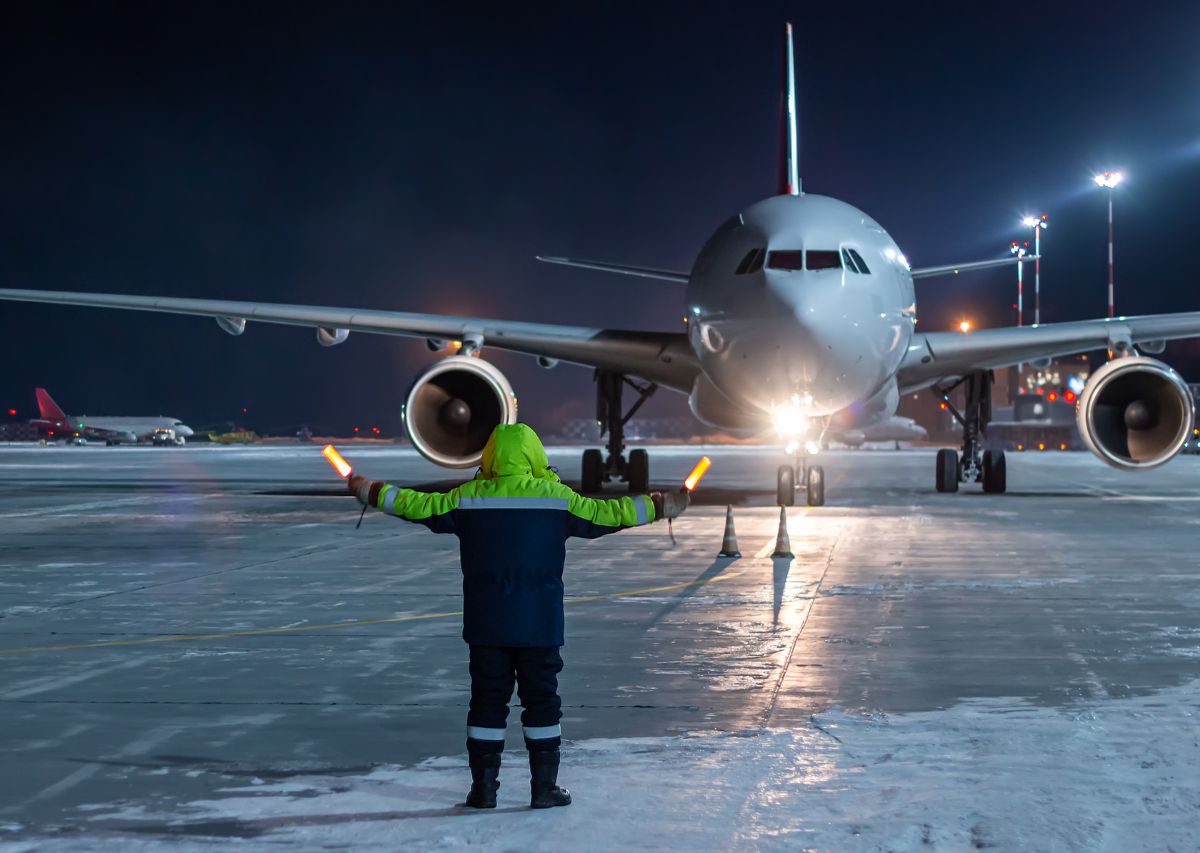
Ramp operations are inherently noisy and chaotic, making verbal communication between pilots and ground crews nearly impossible. This is why a standardized system of hand signals is used globally to maintain order. A trained professional, often wearing high visibility clothing and using orange wands, stands in a position where they are clearly visible to the pilot.
The signals are designed to be intuitive but require specific study to ensure there is no confusion. From the initial “come ahead” to the final “cut engines,” every movement of the wands carries a specific meaning. Consistency in these signals allows pilots from different backgrounds to operate safely at any airport in the world without a language barrier.
Essential Safety Protocols for Ground Crews
Safety is the absolute priority during any ground movement operation. The individual performing the task must maintain a safe distance from the aircraft at all times, especially near spinning propellers or jet intakes. They are responsible for scanning the entire area for potential hazards that the pilot might not be able to see from the cockpit.
Furthermore, the ground handler must always have an escape route in case the aircraft loses braking or steering control. They must stay in the pilot’s line of sight, usually slightly to the left of the nose. This positioning ensures that the pilot can see the signals clearly while maintaining a proper perspective of their surroundings.
Common Marshalling Signals and Their Meanings
The “identify gate” signal is usually the first one a pilot sees when approaching a parking area. The handler raises their wands high above their head to show the pilot exactly where to steer. As the aircraft gets closer, the signals transition to directional commands to help center the nose wheel on the painted lead-in lines.
Slow down and stop signals are perhaps the most critical for preventing collisions. A handler will cross their wands in an X pattern to indicate an immediate stop. If the wands are moved rapidly, it indicates an emergency stop. Pilots must react instantly to these commands to ensure the aircraft stops exactly where the handler intends.
Technical Requirements for Night Operations
- High intensity lighted wands are mandatory for all night ground movements to ensure visibility.
- Ground crews must ensure they are not shining lights directly into the pilot’s eyes to prevent blinding.
- The ramp area should be well lit to help the pilot see the ground handler and any nearby obstacles.
- Pilots should use their taxi lights judiciously to illuminate the path without washing out the hand signals.
Coordination Between Pilot and Ground Handler
Effective movement on the ground is a partnership between the cockpit and the tarmac. The pilot must acknowledge the presence of the handler before following any signals. This is often done with a simple nod or a flash of the landing lights. Once the connection is established, the pilot follows the handler’s instructions exclusively.
Advanced students pursuing multi-engine flight courses often find that ground coordination becomes even more critical due to the increased size and complexity of the aircraft. If a pilot loses sight of the handler at any time, they must stop the aircraft immediately. This “fail safe” approach ensures that no movement occurs without active guidance.
The Role of Wing Walkers in Tight Spaces
In particularly crowded hangars or narrow ramps, additional personnel called wing walkers are often used. These individuals stand at the wingtips and signal the main handler if the clearance becomes too tight. This extra layer of safety is essential for larger aircraft or when navigating around expensive equipment on the ramp.
The wing walkers use simple signals to indicate if the path is clear or if a stop is required. They do not communicate directly with the pilot, but rather with the primary handler. This centralized command structure prevents conflicting signals and ensures that the pilot only has one person to focus on during the entire parking procedure.
Emergency Signals and Procedures
Ramp emergencies require immediate and decisive action from everyone involved. There are specific signals for engine fires or brake failures that ground crews must be ready to use. For example, a rapid horizontal motion with a wand can signal an emergency that requires the pilot to shut down all systems right away.
Pilots must also be familiar with how to signal the ground crew if they have an issue, such as a loss of steering. Hand signals from the cockpit can inform the handler to chocks the wheels or call for a tow bar. This two way communication is essential for managing unexpected situations on the ground with professional poise.
Training for Ground Operations Excellence
Becoming proficient at guiding aircraft takes time and repetitive practice. Many flight schools and airlines use specialized training programs to ensure their staff can handle a variety of aircraft types. This includes learning the specific turning radii and blind spots for everything from light singles to large corporate jets.
Training often involves using simulators or practicing with tugs before working with live aircraft. This allows the staff to build confidence and learn how to position themselves for maximum visibility. Continuous evaluation ensures that the signals remain sharp and that safety protocols are followed without exception during every single shift.
Specialized Equipment for Ground Handling
- Standard orange wands are the most common tool used for day operations across all airports.
- Reflective vests and hearing protection are mandatory safety gear for all personnel on the ramp.
- Lighted wands with multiple color options can be used for specialized commands in complex environments.
- Chocks and fire extinguishers must be readily available at the parking spot before the aircraft arrives.
Integrating Ground Safety into Pilot Training
Student pilots are introduced to these concepts early in their curriculum to build good habits. Understanding how to interact with ground crews is just as important as learning how to land. It fosters a sense of professionalism and a deep respect for the teamwork required to run a successful aviation operation.
By the time a student reaches their checkride, following ground guidance should be second nature. They should be able to identify different signals and react appropriately without hesitation. This holistic approach to training ensures that they are ready to operate at busy international airports where ground coordination is a constant and vital part of the job.
Master Every Detail of Aviation Safety Today
Pray Aviation has established a legacy of trust and flight excellence through years of dedicated service. We provide commercial pilot training, aircraft maintenance, and expert rental options. Our school features a highly impressive fleet of advanced trainer aircraft. Secure your wings and chart a course for your career by joining our team.
Frequently Asked Questions
What is the primary purpose of aircraft marshalling?
The primary purpose is to provide visual guidance to pilots during ground operations. It ensures aircraft move safely in congested areas where visibility from the cockpit is limited. Marshalling prevents collisions with other planes or ground equipment by using clear and standardized hand signals.
What should a pilot do if they lose sight of the handler?
If you lose sight of the ground handler you must stop the aircraft immediately. This is a critical safety rule that prevents the plane from moving into a blind spot or hitting an unseen obstacle. Only resume movement once the handler is back in your direct line of sight and gives a clear signal.
Are marshalling signals the same at every airport?
Yes marshalling signals are standardized globally to ensure safety across all borders. This allows pilots to follow guidance at any international airport without a language barrier. These standard signals are defined by aviation authorities to maintain a high level of predictability and safety everywhere.
Why do ground handlers use lighted wands at night?
Lighted wands are essential for night operations because standard orange wands are not visible in the dark. These lighted tools ensure that the pilot can clearly see every hand movement and signal from the cockpit. Proper lighting prevents confusion and ensures that ground movements remain very safe.
What is the role of a wing walker during marshalling?
A wing walker monitors the clearance between the aircraft wingtips and nearby obstacles in tight spaces. They signal the primary handler if the aircraft is getting too close to a hazard. This provides an extra layer of protection and ensures that the pilot has guidance for all parts of the plane.
No Comments