
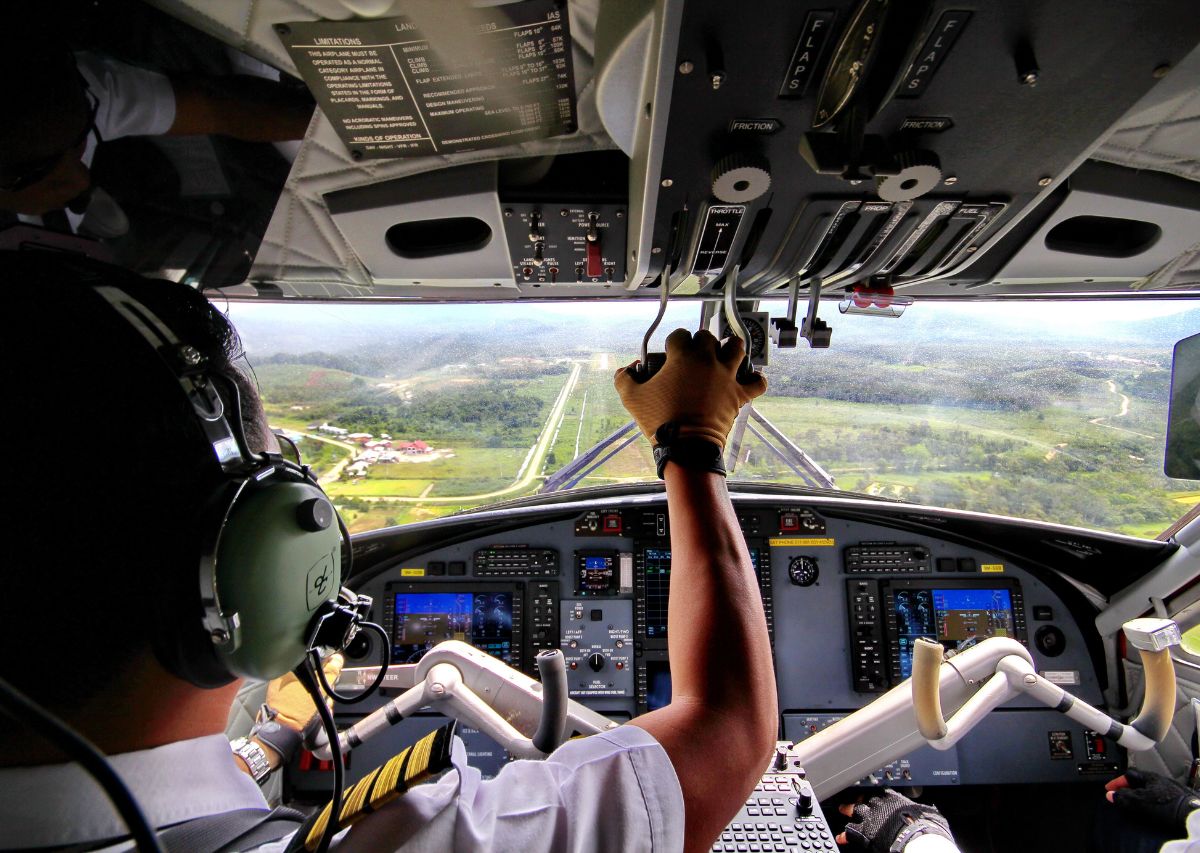
08 Apr Mastering the Fundamentals of VFR Flight for New Pilots
Visual Flight Rules, commonly known as vfr, serve as the gateway for almost every aviator starting their journey in the sky. These regulations allow pilots to operate aircraft in weather conditions generally clear enough to allow them to see where the aircraft is going. By relying on visual cues outside the cockpit rather than just instruments, pilots maintain safe separation from terrain and other air traffic.
Operating under vfr requires a keen eye and a thorough understanding of airspace boundaries. Whether you are beginning your private pilot flight training or flying a larger aircraft with a maximum takeoff weight near 4400 pounds, the principles of see and avoid remain your primary defense. Mastery of these rules ensures that every flight is not only legal but also conducted with the highest level of safety.
The Core Principles of Visual Flight Rules
The foundation of visual flying is the ability to maintain orientation by looking at the horizon and ground landmarks. Pilots use roads, rivers, and cities to navigate from one point to another without the constant need for electronic aids. This fundamental skill builds a deep connection between the pilot and the environment, fostering better spatial awareness and aircraft control.
Safety under these rules depends on the pilot’s commitment to constant vigilance. Since the responsibility for traffic separation lies with the person at the controls, scanning the sky for other aircraft is a non-stop task. Developing a disciplined scan pattern early in flight training prevents close encounters and ensures a smooth experience in busy practice areas or transition routes.
Understanding Weather Minimums and Visibility
Weather plays the most significant role in determining if a flight can proceed under visual rules. Aviation authorities define specific minimums for visibility and distance from clouds based on the type of airspace. For example, in many areas, a pilot needs at least three miles of visibility to operate legally and safely within controlled environments.
Cloud clearance is equally vital to prevent accidentally entering a cloud where visual references are lost. Pilots must stay a specific distance below, above, and horizontally from any cloud mass. These buffers provide the necessary time to see and avoid other aircraft that might be emerging from the clouds, keeping the sky organized and predictable for everyone.
Airspace Classifications and VFR Requirements
Airspace is divided into different classes, each with its own set of rules for visual pilots. Class B airspace, found around the busiest airports, requires a specific clearance and a transponder with altitude reporting. Those enrolled in professional commercial pilot courses must master these nuances to ensure compliance in high-traffic corridors. In contrast, Class G airspace is uncontrolled and offers more flexibility, though safety remains the pilot’s ultimate responsibility regardless of the designation.
Knowing exactly which airspace you are in requires careful pre-flight planning and a current sectional chart. Pilots must be aware of temporary flight or prohibited areas that could impact their intended route. Understanding these boundaries ensures that you remain compliant with federal regulations while enjoying the freedom that comes with navigating the national airspace system.
Navigation Techniques for the Visual Pilot
- Dead reckoning involves calculating your position based on a known starting point, your ground speed, and the time elapsed.
- Pilotage is the practice of navigating by observing landmarks on the ground and comparing them to a chart.
Using a combination of both techniques allows for highly accurate navigation even if electronic systems like GPS fail. Selecting prominent features like towers or lakes helps keep the aircraft on the intended flight path during cross-country trips.
The Role of Technology in Modern VFR Flying
While visual flying is based on looking outside, modern technology provides powerful tools to enhance safety. Electronic Flight Bags (EFBs) offer real-time moving maps and weather overlays that help pilots stay oriented. These devices can also show nearby traffic equipped with ADS-B, providing an extra layer of situational awareness beyond the naked eye.
However, a pilot must never become overly reliant on screens. The core of visual rules is the ability to fly the airplane manually while looking at the horizon. Technology should be used as a secondary check to confirm what the pilot sees outside. Keeping your eyes out of the cockpit remains the most effective way to stay safe during any visual mission.
Communication Procedures in Controlled Airspace
Clear communication with Air Traffic Control (ATC) is essential when flying into or through controlled airspace. Even under visual rules, pilots often benefit from flight following services, where controllers provide traffic advisories. This partnership adds another set of eyes on the radar screen to help the pilot spot potential conflicts early.
When approaching a towered airport, the pilot must establish two-way radio contact and receive instructions for entering the traffic pattern. Using standardized phraseology ensures that there is no confusion between the pilot and the controller. Effective radio work shows professionalism and helps maintain a safe and orderly flow of traffic around busy flight hubs.
The Traffic Pattern and Airport Operations
Operating at an airport requires following a standardized traffic pattern to keep all aircraft moving in the same direction. The pattern usually consists of several legs, including the upwind, crosswind, downwind, base, and final approach. Following these predictable paths allows pilots to see and follow each other during the most critical phases of flight.
At non-towered airports, pilots announce their positions on a common frequency to alert others of their intentions. This self-announcing system relies on everyone being on the correct frequency and providing accurate reports. Proper pattern etiquette is a sign of a disciplined pilot who values the safety of the entire local aviation community.
Safety Protocols for Mountain and Night VFR
Flying under visual rules at night or in mountainous terrain introduces unique challenges that require additional preparation. At night, the lack of a visible horizon makes it much harder to maintain orientation. Pilots must rely more heavily on their instruments while still looking for the lights of other aircraft and airport beacons.
Mountainous terrain can create dangerous downdrafts and unpredictable wind patterns. A visual pilot must maintain plenty of altitude to clear ridges and be wary of box canyons. Specialized training is often recommended before attempting to navigate these environments, as the margins for error are much smaller than they are over flat, open plains.
Transitioning to Instrument Training
For many, mastering visual rules is the first step toward earning an instrument rating. The skills learned during primary training provide the foundation for more advanced flying. Understanding how to control the aircraft precisely under visual rules makes the transition to flying solely by instruments much easier and more intuitive for the student.
Even after becoming instrument rated, many pilots still enjoy the simplicity and beauty of a clear day under visual rules. There is a certain joy in following a winding river or seeing a sunset from a few thousand feet. Balancing the precision of instrument flying with the freedom of visual navigation makes for a well-rounded and highly capable aviator.
Begin Your Journey Toward Flight Mastery
Pray Aviation has established a legacy of trust and flight excellence through years of dedicated service. We provide professional pilot training, aircraft maintenance, and expert rental options, including specialized multi-engine flight training. Our school features a highly impressive fleet of advanced trainer aircraft. Secure your wings and chart a course for your career by joining our team.
Frequently Asked Questions
What are the primary weather requirements for VFR?
To fly under visual flight rules you must have at least three miles of visibility and maintain a specific distance from clouds. These rules vary based on altitude and the class of airspace you are in. Proper weather planning ensures that you can always see and avoid other traffic and terrain.
Can a student pilot fly solo under VFR conditions?
Yes a student pilot can fly solo after receiving an endorsement from their flight instructor. They must operate under specific visual conditions and within the limitations set by their teacher. These early solo flights are a critical part of building the confidence and skill needed for the license.
How does a pilot navigate without using a GPS system?
A pilot uses pilotage and dead reckoning to navigate visually. Pilotage involves looking at landmarks like lakes or highways on a chart. Dead reckoning uses calculations based on speed and time. Both skills are essential for every aviator to ensure they can find their way if the electronics fail.
What is flight following and should I use it?
Flight following is a service provided by air traffic control to help visual pilots with traffic advisories. While it is not mandatory it provides a significant safety benefit in busy areas. Using this service allows a controller to alert you to other aircraft that you might not have seen yet.
Why is the traffic pattern important at small airports?
The traffic pattern provides a predictable flow for aircraft taking off and landing at an airport. By following the standard legs every pilot knows where to look for other traffic. This organization reduces the risk of mid air collisions and ensures that arrivals and departures are handled safely.
No Comments