
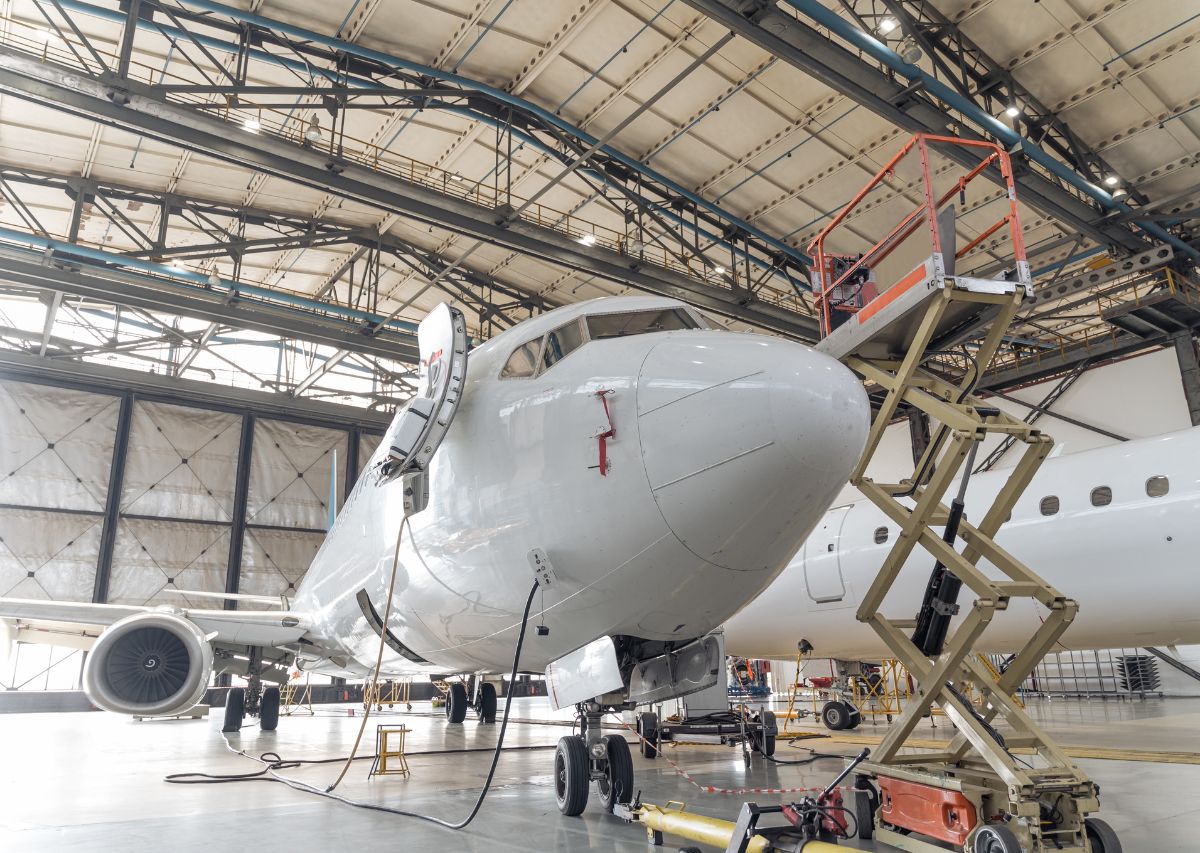
03 Mar From Cockpit to Tail: Exploring Every Vital Part of a Plane
The Miracle of Modern Flight
The miracle of modern flight is a testament to human engineering and meticulous design. To the untrained eye, an aircraft may seem like a singular metallic bird, but it is actually a complex assembly of thousands of components. Every specific part of a plane must function with absolute precision to ensure a safe and efficient journey through the sky.
Whether you are an aspiring private pilot or a curious traveler, understanding the basics of aircraft construction is fascinating. By breaking down the machine into its primary sections, we can better appreciate the physics and mechanics involved in lifting heavy objects off the ground. Let us explore the various systems that allow these incredible machines to soar.
The Fuselage: The Central Body
The fuselage acts as the main structural body of the aircraft, housing the passengers and the crew. It is essentially the central part of a plane that connects all other components together into a cohesive unit. Its aerodynamic shape is designed to minimize drag while providing enough space for essential cargo and fuel storage.
Constructed from lightweight aluminum or advanced composite materials, the fuselage must withstand immense pressure changes during ascent and descent. This structural integrity is vital for maintaining cabin pressure at high altitudes where oxygen is scarce. Every door, window, and rivet on this part of a plane undergoes rigorous testing to guarantee passenger safety.
The Wings: Generating Lift
The wings are arguably the most recognizable part of a plane, as they provide the lift necessary for flight. Their unique airfoil shape causes air to move faster over the top surface than the bottom, creating a pressure difference. This physical phenomenon allows the aircraft to overcome gravity and stay aloft during its long journey.
Internal structures within the wings, such as spars and ribs, provide the strength needed to support the entire weight of the aircraft. Modern wings also serve as the primary location for fuel tanks, keeping the weight centered and stable. Engineers carefully calculate the wingspan to ensure the aircraft can handle various weather conditions safely.
The Powerplant: Engines and Thrust
The engine is the driving part of a plane that provides the thrust required to move forward. Without this constant force, the wings would not have enough airflow to generate lift. Whether utilizing propellers or jet turbines, the powerplant is a masterpiece of thermal dynamics and mechanical engineering designed for reliability.
Engines are typically mounted under the wings or at the rear of the fuselage to optimize balance and airflow. With over 4400 pounds of thrust in some smaller jets, these machines convert fuel into massive amounts of kinetic energy. Regular maintenance of this part of a plane is the highest priority for any flight department or school, especially those offering specialized multi-engine flight courses to ensure peak performance.
The Empennage: The Tail Section
Located at the very back, the empennage is the stabilizing part of a plane that includes the tail. It consists of the vertical stabilizer and the horizontal stabilizer, which act like the feathers on an arrow. These components prevent the aircraft from wobbling and allow the pilot to maintain a steady, straight course.
The empennage also houses the primary control surfaces used for steering the aircraft up, down, left, and right. Without a properly functioning tail section, an airplane would be nearly impossible to control in turbulent air. This part of a plane ensures that the nose stays pointed in the right direction throughout the flight.
Control Surfaces: Ailerons, Elevators, and Rudders
To change direction, a pilot must manipulate specific hinged sections on the wings and tail. An aileron is a small part of a plane located on the wing that controls the roll or bank. By moving these surfaces, the pilot can tilt the wings to turn the aircraft toward a new heading.
- Elevators: Attached to the horizontal stabilizer to control the pitch or nose position.
- Rudders: Located on the vertical stabilizer to control the yaw or left and right movement.
- Flaps: Used during takeoff and landing to increase lift at lower speeds.
- Slats: Leading edge devices that help the wings perform better during steep climbs.
The Landing Gear: Wheels and Struts
The landing gear is the essential part of a plane that supports the aircraft while it is on the ground. It consists of wheels, tires, and shock-absorbing struts designed to handle the impact of touching down on the runway. In many modern planes, this system is retractable to reduce drag while in the air.
Braking systems are also integrated into the landing gear to help the aircraft slow down after landing. This component must be incredibly strong to support the weight of the plane and its passengers during high-speed taxiing. Engineers pay close attention to the durability of this part of a plane to prevent mechanical failures.
The Cockpit: The Flight Deck
The cockpit is the operational part of a plane where the pilots sit and manage the flight. It is filled with a vast array of instruments, screens, and controls that provide real-time data about the aircraft. From altitude to engine temperature, every piece of information is displayed for the crew to monitor carefully.
Advanced avionics systems in the cockpit help with navigation and communication with air traffic control towers. This area is the brain of the aircraft, coordinating every other part of a plane through electrical and hydraulic signals. Modern cockpits are designed with ergonomics in mind to reduce pilot fatigue during long-duration missions.
Propellers and Rotors
In smaller aircraft, the propeller is the spinning part of a plane that pulls or pushes air to create thrust. The blades are shaped like small wings, and as they rotate, they generate a forward force. This classic design is highly efficient for lower altitudes and shorter regional flights across the country.
Propellers can have two, three, or even four blades depending on the power of the engine. Some high-performance planes feature constant-speed propellers that allow the pilot to adjust the blade angle for better efficiency. This part of a plane is vital for the flight training environment where reliability and simplicity are key factors.
Fuel Systems and Storage
An aircraft requires a sophisticated system to deliver fuel from the tanks to the engines consistently. Pumps, valves, and lines make up this internal part of a plane, ensuring the engine never starves for power. Fuel is often stored in the wings to save space and provide a structural balance to the frame.
Safety features like fuel vents and shut-off valves are installed to prevent leaks or fires in an emergency. Pilots must constantly monitor fuel levels and flow rates to ensure they have enough reserves for their destination. The integrity of this part of a plane is checked during every pre-flight inspection by the crew.
Avionics and Electrical Systems
Electricity is the lifeblood that powers the lights, radios, and navigation equipment throughout the vessel. This electronic part of a plane includes generators, batteries, and miles of wiring hidden behind the interior panels. These systems provide the necessary power for the complex computers that assist the pilot during every phase of flight.
Redundancy is a core principle in aviation electronics to ensure that if one system fails, another takes over immediately. This backup capability is why air travel remains one of the safest ways to transport people and cargo. Every digital part of a plane is shielded from electromagnetic interference to maintain clear and accurate readings.
Environmental Control Systems
Flying at high altitudes requires a specialized system to keep the cabin comfortable and pressurized for the occupants. This part of a plane regulates the temperature and provides fresh oxygen for everyone on board. It also helps to prevent the windows from fogging up or icing over during cold weather operations.
The environmental control system uses bleed air from the engines, which is then cooled and filtered before entering the cabin. This ensures that even at thirty thousand feet, the air quality remains high and the temperature stays pleasant. Maintaining this part of a plane is essential for the flight health and comfort of the flight crew.
De-Icing and Anti-Icing Equipment
Ice is a major hazard in aviation as it can change the shape of the wings and add dangerous weight. Specialized de-icing boots or heated leading edges are the part of a plane that prevents ice from building up. These systems are critical for safely flying through clouds or in regions with freezing temperatures.
Some aircraft use chemical sprays while on the ground to prevent ice from forming before the takeoff roll begins. Once in the air, the pilot can activate internal heaters to keep the wing surfaces clear and smooth. This protective part of a plane is a vital safety feature for all-weather flight operations around the globe.
Communication and Navigation Antennas
The exterior of an aircraft is dotted with various small antennas that send and receive vital signals. Each antenna is a specialized part of a plane that connects the pilots to GPS satellites and radio towers. These small but important devices ensure that the aircraft stays on its correct path and maintains contact.
Antennas are often shaped like small fins to reduce wind resistance while the aircraft is moving at high speeds. They must be kept clean and free of damage to ensure the signal quality remains strong and clear. This communicative part of a plane is what allows for global air traffic management and safe separation.
Interior Furnishings and Safety Gear
The interior of the aircraft is designed for both comfort and the survival of the passengers during an emergency. Seats, overhead bins, and floor lighting are the part of a plane that people interact with the most. Safety equipment like oxygen masks and life vests are also hidden within the cabin panels for easy access.
The materials used for the interior must be fire-resistant and lightweight to meet strict aviation standards. Every seat is securely bolted to the floor tracks to withstand significant g-forces during a hard landing. This human-focused part of a plane is what makes the experience of flying enjoyable and safe for everyone.
Master the Skies with Our Comprehensive Flight Courses
Pray Aviation has a long heritage of excellence in training the next generation of professional pilots. We offer comprehensive services including multi-engine ratings, commercial pilot certification, and instrument training for all students. Our fleet features advanced technology that provides over 4400 hours of reliable flight time for our graduates. Launch your new aviation journey and prepare for departure.
FAQs
What is the most important part of a plane for safety?
While every component is vital, the wings and engines are often considered the most critical for staying in the air. However, the flight control surfaces allow the pilot to steer and land safely. Aviation safety relies on every part of a plane working together through redundant and tested systems.
How does the tail part of a plane help with steering?
The tail section, known as the empennage, contains the rudder and elevators. The rudder moves the nose left and right, while the elevators control the upward and downward pitch. These surfaces allow for stable flight by acting as a counterweight to the movements of the wings and the heavy fuselage.
What part of a plane generates the electricity for lights?
Electricity is generated by alternators or generators attached to the aircraft engines while they are running. This power is distributed to the cockpit and cabin to run the lights, radios, and navigation tools. Small batteries are also kept on board as a backup part of a plane during an emergency.
Why is the fuselage part of a plane shaped like a tube?
The cylindrical shape of the fuselage is the most efficient design for maintaining internal air pressure at high altitudes. It also allows for the best aerodynamic profile to reduce drag as the aircraft moves through the sky. This central part of a plane must be strong enough to hold all other pieces.
What part of a plane helps it slow down after landing?
The landing gear contains high-performance brakes, but the wings also play a role through the use of spoilers and flaps. These devices increase drag and decrease lift, helping the aircraft settle onto the runway. On some jet aircraft, the engine is also a part of a plane that provides reverse thrust.
No Comments