
08 Jun Single-Engine vs. Multi-Engine Ratings: Which to Pursue and When on Your Path to the Airlines
One of the most common questions aspiring airline pilots ask is: when should I pursue a multi-engine rating, and how does it compare to building time in a single-engine aircraft? The single-engine vs. multi-engine rating decision is not just about cost or convenience — it directly shapes your logbook, your job prospects, and the timeline of your airline career. At Pray Aviation, we work with student pilots and career-changers alike, and this question comes up in almost every career planning conversation we have.
Understanding the difference between these two ratings, what each one requires, and how they fit into the FAA’s certification pathway is essential before you invest thousands of dollars and hundreds of hours in your training. Let’s break it down clearly so you can make the right call for your goals.
What Is a Single-Engine Rating?
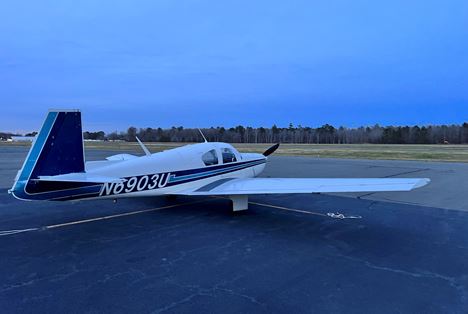
When most people start their flight training journey, they begin in a single-engine aircraft — typically something like a Cessna 172 or Piper Archer. Your Private Pilot Certificate and, subsequently, your Instrument Rating and Commercial Pilot Certificate can all be earned in a single-engine airplane. The “single-engine land” (SEL) rating is built into these certificates, meaning you’re only authorized to fly aircraft with one engine unless you add a multi-engine endorsement.
Single-engine training is the foundation of virtually every pilot’s career. It is generally less expensive per hour than multi-engine training, and there is a wider variety of aircraft available at flight schools. Building flight time in single-engine aircraft is how most pilots accumulate the bulk of their hours — especially the 1,500 hours required for an Airline Transport Pilot (ATP) Certificate.
Key Advantages of Single-Engine Training
- Lower hourly cost — single-engine aircraft are typically less expensive to rent and operate.
- Greater aircraft availability — most flight schools have a larger single-engine fleet.
- Solid aeronautical foundation — mastering single-engine emergencies (engine failure, forced landings) builds critical airmanship skills.
- Efficient hour-building — cross-country flights and instrument time in singles count fully toward your ATP minimums.
What Is a Multi-Engine Rating?
A multi-engine rating (officially, a “multiengine land” or MEL rating) is an add-on to your existing pilot certificate that authorizes you to act as pilot in command of aircraft with more than one engine. To add the rating at the private or commercial level, you must pass a practical test (checkride) with an FAA examiner — there is no written knowledge test required specifically for the multi-engine add-on.
The multi-engine rating is required for most regional and major airline positions. Commercial airliners are, of course, all multi-engine aircraft, and airlines expect their pilots to hold a Multi-Engine ATP Certificate — specifically the ATP with a multi-engine airplane rating. Without the multi-engine rating, you simply cannot be typed in a jet or turboprop operated by a Part 121 carrier.
What Multi-Engine Training Covers
- Systems differences between single and multi-engine aircraft
- Engine-out procedures, including Vmc (minimum control speed with one engine inoperative) and Vyse (best single-engine rate of climb speed)
- Feathering and unfeathering propellers
- Asymmetric thrust and directional control with one engine out
- Instrument approaches and landings with simulated engine failure
Multi-engine aircraft are more complex, more expensive to operate, and demand a higher level of systems knowledge and emergency proficiency. This is why the rating is treated as a separate, advanced credential — and why airlines value it so highly.
The FAA Certification Pathway: Where Each Rating Fits
To understand when to pursue each rating, it helps to look at the full FAA pathway toward an airline career:
- Student Pilot Certificate — entry point, required to solo
- Private Pilot Certificate (SEL) — foundation certificate, typically earned in single-engine aircraft
- Instrument Rating — can be earned in single or multi-engine; most pilots earn it in single-engine first
- Commercial Pilot Certificate — required to be paid to fly; can be earned single-engine, then multi-engine added
- Multi-Engine Rating (Commercial level) — typically added after the commercial certificate is earned
- Certified Flight Instructor (CFI/CFII/MEI) — common path to building hours
- Airline Transport Pilot (ATP) Certificate — Multi-Engine — the gateway to the airlines, requiring 1,500 hours total time (or 1,000 with an aviation degree, or 750 with military service)
Most pilots earn their Commercial Certificate in a single-engine aircraft first, then add the multi-engine rating at the commercial level shortly thereafter. This approach is often the most cost-effective, because the commercial checkride in a single-engine aircraft is less expensive, and the multi-engine add-on can then be accomplished with a relatively focused block of training.
The Multi-Engine Instructor (MEI) Route
Some pilots choose to also earn a Multi-Engine Instructor (MEI) rating, which allows them to teach in multi-engine aircraft and build multi-engine time as an instructor — a valuable logbook entry that regional airlines notice. If you plan to instruct as your primary hour-building strategy, adding the MEI can significantly accelerate the quality (if not the raw quantity) of your flight experience before the airlines.
Timing: When Should You Add the Multi-Engine Rating?
This is where the practical career planning really matters. Here is a general framework used by many aspiring airline pilots:
Earn Your Multi-Engine Rating After Your Commercial Certificate
The most common and cost-efficient approach is to complete your Private, Instrument, and Commercial certificates in single-engine aircraft, then add the multi-engine rating at the commercial level. This lets you pass each major milestone in a less expensive aircraft and saves the higher multi-engine aircraft costs for a focused, efficient block of training.
Do Not Wait Too Long
While it makes sense to delay the multi-engine rating until after your commercial certificate, waiting until you are close to 1,500 hours can actually hurt you. Regional airlines strongly prefer — and many require — a Commercial Certificate with multi-engine privileges at the time of hire. Some airlines also want to see meaningful multi-engine time (even just 25–100 hours) in your logbook before extending a job offer. The earlier you add the rating and start logging multi-engine time as a CFI or charter pilot, the more competitive your applications will be.
Consider the ATP Certification Training Program (ATP-CTP)
Before you can take the ATP written exam and checkride, you must complete an ATP Certification Training Program (ATP-CTP), which includes simulator time in multi-engine aircraft. This is a regulatory requirement under FAR 61.156, and it underscores just how central multi-engine proficiency is to the airline hiring process. Planning your training timeline around this requirement is a smart move.
Cost Considerations: Single-Engine vs. Multi-Engine Training
Let’s be straightforward: multi-engine training is more expensive. Twin-engine training aircraft can cost significantly more per hour to rent than a comparable single-engine trainer. The good news is that you do not need hundreds of hours of multi-engine time to earn the rating — most pilots pass their multi-engine add-on checkride after just 10–20 hours of focused training in a twin.
When budgeting for your airline career path, consider the following rough cost structure (actual costs vary by school, aircraft, and location):
- Private Pilot Certificate (SEL): Varies widely; expect 60–80 hours of flight time for most students
- Instrument Rating: Typically 40–60 hours of additional flight time
- Commercial Pilot Certificate (SEL): 250 total hours required; additional training flights beyond private and instrument time
- Multi-Engine Rating Add-On: Usually 10–20 hours in a twin-engine trainer
- CFI/CFII/MEI Certificates: Additional training and checkrides
- ATP-CTP: Required course; check with accredited providers for current pricing
Building the bulk of your hours in single-engine aircraft is a financially sound strategy precisely because the per-hour cost is lower. Reserve the multi-engine aircraft time for the rating itself and for any instructing or charter work you can log afterward.
What Regional Airlines Actually Want to See
Regional airlines — the typical first employer for new airline pilots — have their own hiring minimums that often exceed FAA minimums. While the FAA requires 1,500 total hours for an ATP (with exceptions), many regionals also look at:
- Total flight time (1,500 hours minimum for most)
- Multi-engine time (25–100+ hours preferred by many carriers)
- Instrument time (100+ hours actual and simulated combined)
- Cross-country time (500 hours preferred)
- Night flight time
- Turbine time (a plus, but not always required)
The takeaway here is clear: multi-engine time matters, but raw quantity of total hours — built efficiently in single-engine aircraft — also matters enormously. A balanced logbook that demonstrates both strong single-engine fundamentals and meaningful multi-engine experience is exactly what airline recruiters want to see.
Making the Right Decision for Your Career
There is no single right answer to the single-engine vs. multi-engine rating question that applies to every pilot. Your budget, your timeline, your career goals, and the specific airline programs you are targeting all play a role. However, the most common and proven path looks like this:
- Build your foundational skills and log the majority of your hours in single-engine aircraft.
- Earn your Commercial Certificate (SEL) first for cost efficiency.
- Add your multi-engine rating at the commercial level with focused training.
- Pursue CFI, CFII, and MEI certificates to build hours and multi-engine time simultaneously.
- Complete the ATP-CTP and pursue your ATP Certificate with multi-engine privileges before applying to regionals.
At Pray Aviation, we are here to help you build a training plan that makes sense for your specific situation — whether you are just starting out or already working toward your commercial certificate. The path to the airlines is a marathon, not a sprint, and every rating decision you make today shapes how quickly and competitively you arrive at that cockpit door.
Frequently Asked Questions
Do I need a multi-engine rating to fly for the airlines?
Yes. All U.S. commercial airlines operate multi-engine aircraft, and you must hold an Airline Transport Pilot (ATP) Certificate with multi-engine privileges to serve as a First Officer or Captain at a Part 121 carrier. Without the multi-engine rating, you cannot be type-rated in a jet or turboprop airliner.
When is the best time to add a multi-engine rating during flight training?
Most pilots find it most cost-effective to earn their Private, Instrument, and Commercial certificates in a single-engine aircraft first, then add the multi-engine rating at the commercial level. This approach minimizes expenses during the foundational training stages and reserves the more costly multi-engine aircraft hours for a focused, efficient block of training.
How many hours of training does a multi-engine rating require?
Unlike most other certificates, the FAA does not set a minimum flight hour requirement for a multi-engine add-on rating — only a practical test standard. In practice, most students are prepared to pass the checkride after 10–20 hours of dedicated training in a twin-engine aircraft, though individual needs vary.
Can I build multi-engine time as a flight instructor?
Yes, and this is one of the most popular strategies for aspiring airline pilots. By earning a Multi-Engine Instructor (MEI) certificate, you can teach multi-engine students and log valuable multi-engine pilot-in-command (PIC) time — the type of experience regional airlines specifically look for in hiring candidates.
What is the ATP Certification Training Program (ATP-CTP) and do I need it?
The ATP-CTP is a mandatory training course required by the FAA under 14 CFR 61.156 before you can take the ATP written knowledge exam. It includes academic ground instruction and simulator sessions in multi-engine aircraft. Anyone pursuing an ATP Certificate with a multi-engine airplane rating — which is required for airline employment — must complete the ATP-CTP first.
No Comments