
27 Apr How Modern Aviation Technology is Revolutionizing the Skies
The world of flight is currently undergoing a massive transformation driven by rapid advancements in aviation technology. From the way student pilots learn their first maneuvers to how commercial airliners navigate across oceans, every aspect of the industry is being touched by innovation. These digital tools are making the skies safer, more efficient, and more accessible than ever before.
For a modern aviator, understanding these systems is just as important as mastering the physical stick and rudder skills. Whether you are starting your private pilot training or using a high resolution weather radar or a digital flight deck with over 150 pixels per inch of clarity, aviation technology is your primary partner in the cockpit. Staying informed about these changes ensures that you are prepared for the future of flight.
The Shift from Analog to Digital Cockpits
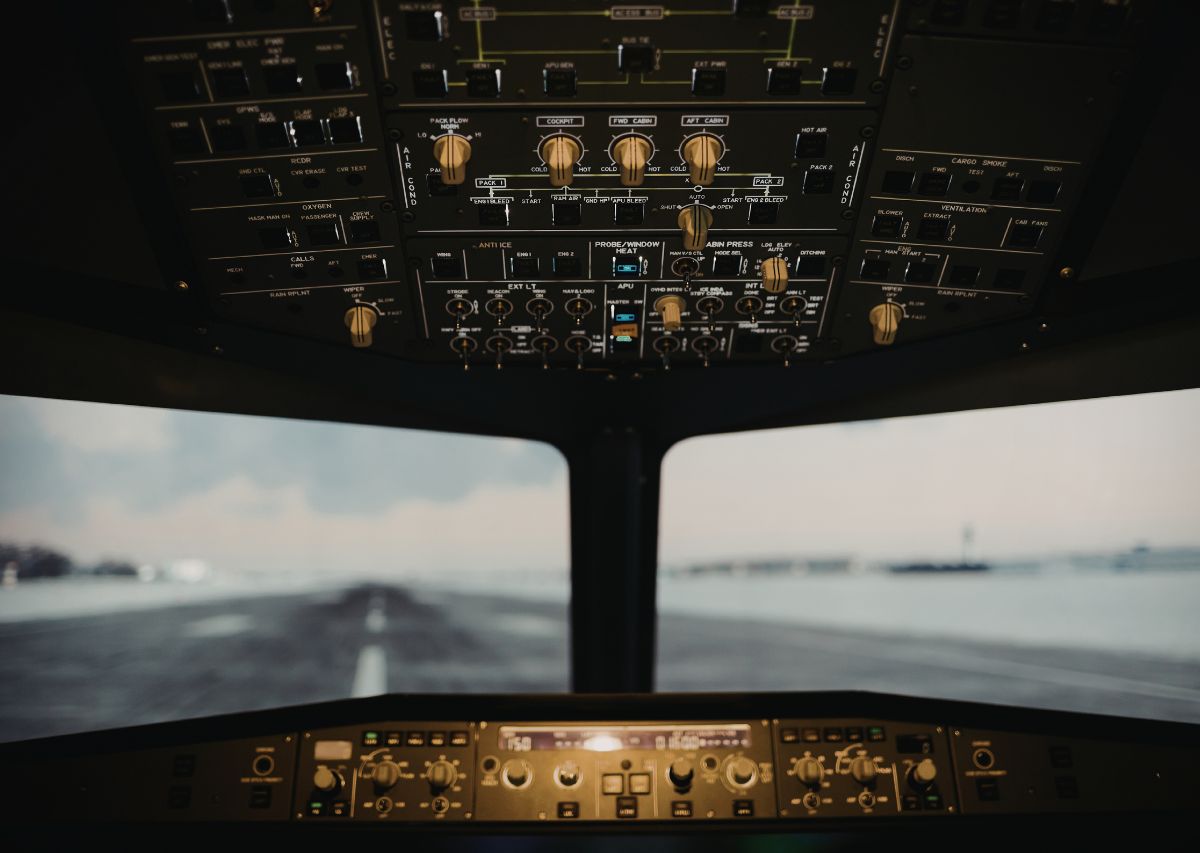
One of the most visible changes in the industry is the transition from traditional round gauges to integrated glass cockpits. This shift has drastically reduced the pilot’s workload by consolidating vital information into large, easy to read displays. These systems provide a level of situational awareness that was once only available to military pilots or major airlines.
Digital displays allow for a more intuitive understanding of the aircraft’s position, speed, and engine health. By presenting data in a graphical format, pilots can quickly identify trends and react to potential issues before they become emergencies. This move toward digital integration represents a significant leap forward in the overall safety and reliability of general aviation aircraft.
Precision Navigation and Satellite Systems
The integration of Global Positioning Systems has completely changed how pilots plan and execute their flights. Gone are the days of relying solely on ground based radio beacons that could be unreliable in mountainous terrain. Modern satellite navigation provides centimeter level accuracy, allowing for more direct routing and lower fuel consumption across all flight phases.
Satellite data also powers advanced terrain awareness and warning systems. These tools alert pilots if they are getting too close to obstacles or rising ground, providing a vital safety net during low visibility operations. This level of precision ensures that even in challenging environments, pilots can navigate with total confidence and professional accuracy at every single waypoint.
Simulation and Virtual Reality in Training
Flight simulation has evolved from basic mechanical trainers to high fidelity environments that mimic the real world with incredible detail. Today, student pilots can practice emergency procedures and complex approaches in a risk free setting. This is particularly vital for those undergoing multi-engine flight training, where handling asymmetric thrust can be mastered safely on the ground.
Virtual reality is also beginning to play a role in ground school and maintenance training. These immersive experiences allow students to walk through aircraft systems or practice cockpit flows from their own homes. By using these tools to supplement traditional flight time, students can finish their ratings more quickly and with a much deeper understanding of the aircraft.
Advanced Weather Tracking and Radar
Real time weather data is now available directly on the cockpit displays of even the smallest trainer aircraft. This allows pilots to see developing storms, icing conditions, and turbulence well before they encounter them. Having this information at your fingertips allows for much more strategic decision making during long distance cross country missions.
Digital datalinks provide updates on ceilings and visibility at destination airports, allowing pilots to plan for alternates early. This proactive approach to weather management is a major factor in the reduction of weather related accidents in recent years. Modern tools have turned the unpredictable nature of the atmosphere into a manageable and visible variable.
The Rise of Sustainable Flight Innovations
- Electric propulsion systems are being tested for short haul and training flights to reduce carbon footprints.
- Advanced composite materials are making airframes lighter and more fuel efficient than traditional aluminum structures.
- Optimized flight path algorithms use big data to help pilots find the most fuel efficient altitudes and routes.
- New engine technologies are significantly reducing noise pollution around busy urban airports and residential areas.
Enhancing Safety Through Automated Systems
Automation has become a cornerstone of flight safety, providing a backup for human decision making during high stress moments. Autopilots can now handle complex flight paths and even perform emergency descents if a loss of cabin pressure is detected. These systems act as a silent co pilot, constantly monitoring the aircraft’s state.
Electronic stability and protection systems help prevent stalls or overbanking by providing gentle feedback through the flight controls. While the pilot remains in command, these automated safeguards prevent common handling errors. This partnership between human and machine is a defining characteristic of modern flight, ensuring the highest possible safety standards for everyone.
The Role of Big Data and Maintenance
Modern aircraft are equipped with thousands of sensors that monitor every component in real time. This data is transmitted to ground crews, allowing them to identify maintenance needs before a part actually fails. This shift from reactive to predictive maintenance has significantly improved aircraft dispatch reliability and overall fleet safety.
Airlines use this data to analyze flight patterns and improve pilot performance through targeted training. By identifying common trends in how aircraft are flown, companies can update their standard operating procedures to be even safer. This continuous feedback loop ensures that the industry is always learning and evolving based on hard data.
Communication Advancements in Controlled Airspace
Digital communication links are replacing traditional voice radio for many routine air traffic control tasks. Controllers can now send clearances and frequency changes directly to the pilot’s display, reducing the risk of a misunderstood transmission. This is especially helpful in busy international environments where language barriers or radio congestion can be issues.
These digital links also allow for the transmission of real time traffic information, showing the pilot the position and altitude of nearby aircraft. This ADS-B technology has made the sky more transparent, allowing for closer spacing between aircraft and more efficient use of limited airspace. Better communication leads to a much smoother flow for all aviators.
Training the Modern High Tech Aviator
As aircraft become more complex, the role of the pilot is shifting toward that of a systems manager. Flight training now includes a heavy emphasis on understanding and managing the automation. Pilots pursuing their commercial pilot license must know not just how to fly the plane, but how to interact with the computers that assist them.
This requires a new set of skills, including digital literacy and advanced situational awareness. Instructors focus on teaching students when to use the technology and when to turn it off and fly manually. Balancing these two worlds is the hallmark of a truly professional and capable aviator in the twenty first century.
The Future of Aviation Technology and AI
The next frontier for the industry is the integration of artificial intelligence and autonomous systems. While we are still far from pilotless commercial flights, AI is being used to optimize everything from scheduling to fuel loading. In the cockpit, AI could eventually assist with complex troubleshooting and emergency management.
These advancements will continue to push the boundaries of what is possible in the sky. As technology becomes more integrated, the safety and efficiency of flight will continue to improve. For those entering the field today, it is an incredibly exciting time to be part of an industry that is literally inventing the future every day.
Master the Modern Cockpit with Our Elite Programs
Pray Aviation has established a legacy of trust and flight excellence through years of dedicated instruction. We provide professional pilot training, aircraft maintenance, and expert rental services. Our school features a highly impressive fleet of advanced trainer aircraft. Chart a precise course for your career and earn your wings with our team.
Frequently Asked Questions
How does aviation technology improve flight safety?
Aviation technology improves safety by providing pilots with real time data about their environment. Systems like private pilot training GPS and digital weather radar allow for better situational awareness and decision making. Automation also provides a safety net that can help prevent human error during critical moments.
What is a glass cockpit and why is it important?
A glass cockpit uses digital flight displays instead of traditional analog gauges. This technology is important because it consolidates information into one clear view. It allows pilots to monitor engine health and navigation more easily. This reduces the workload in the cockpit and increases safety.
How has GPS changed modern navigation for pilots?
GPS has replaced older ground based radio signals with highly accurate satellite data. This allows for more direct routing and easier navigation in remote areas. Pilots can now see their exact position on a moving map which prevents them from getting lost even in low visibility or clouds.
Is flight simulation as effective as real flight time?
Simulation is highly effective for practicing procedures and emergency scenarios that would be too dangerous in a real plane. While it does not replace the feel of flying it allows students to master the technology and flows. This makes the time they spend in the actual aircraft much more productive.
Will AI ever replace pilots in the cockpit?
While AI is becoming more advanced it is currently used to assist pilots rather than replace them. The human pilot provides critical judgment and emotional intelligence that machines cannot yet match. Future aviation technology will likely focus on a stronger partnership between the pilot and AI tools.
No Comments